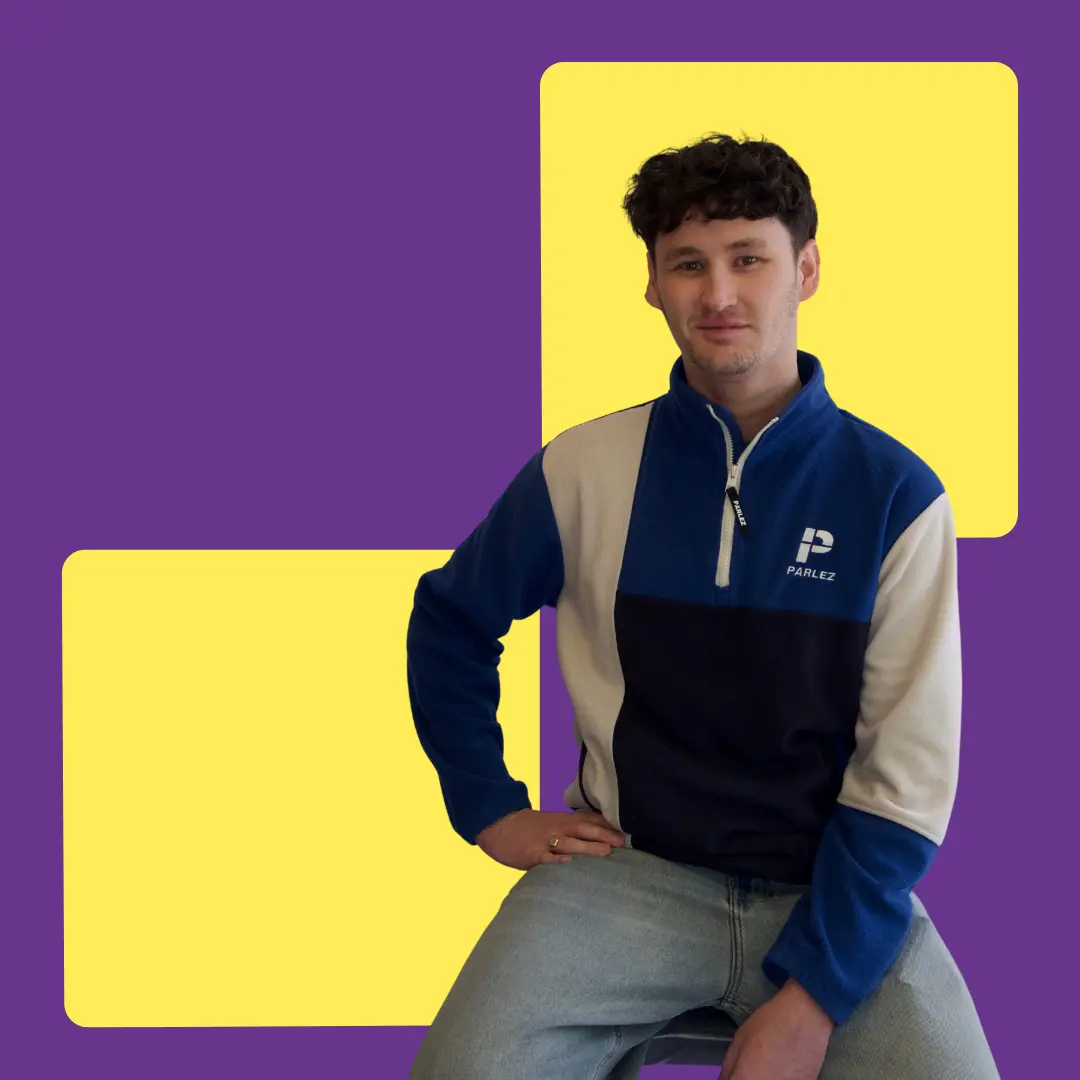

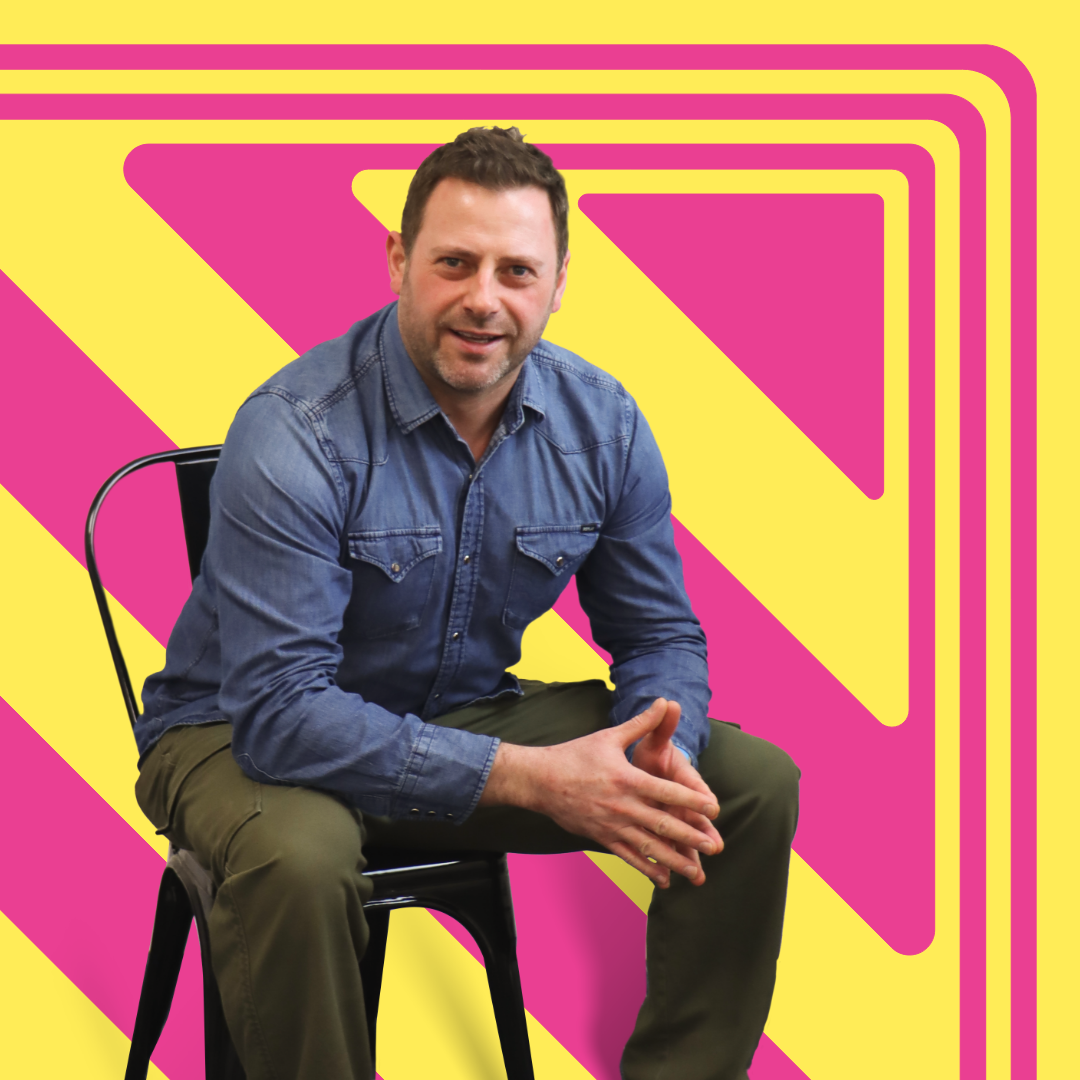
Ever wondered who is behind the Trio brand? That’s Gary Hanna, our Head of Design. With all his Irish charm, branding expertise and insane balancing skills, he’s won the hearts of our team and clients.
In this exclusive interview, we sit down with Gary to hear more about his time at Trio and insights on all things design. Let’s jump right in.
Tell us a little bit about yourself
I’ve been with Trio for two years, and as Head of Design in a performance marketing agency, my role is highly varied. I’m involved in all areas of design, from designing client websites and brands to directing internal photoshoots and creating internal design assets.
Day to day, my focus is on designing component-based web designs for our clients. This means working closely with our project managers and developers to translate business goals, marketing strategies and brand guidelines into clear, engaging design concepts and user-friendly websites that perform great.
As part of the management team, I also contribute to shaping Trio’s wider business strategy, ensuring design plays a central role while taking on broader leadership responsibilities.
What drew you to design?
I began my career in account management at a packaging company, but I quickly found myself drawn to the creative side of the work. I would spend time refining the layout of my emails, carefully selecting fonts, and adding design flourishes to my presentations.
Having always been creative and with a background in Art, I realised I wanted to pursue something more design-focused, even though I didn’t yet fully understand what a career in design could look like.
After some research, I made the decision to leave my job and retrain as a designer, a move I’ve never regretted. I started out in graphic design with a particular interest in branding, but as I gained experience across several branding agencies, I became increasingly fascinated by web design. That combination of interests eventually led me to Trio, where I now have the opportunity to work across both branding and web.
Are there any key lessons you’ve learnt that influence your work today?
Be patient, trust the creative process, and avoid settling for your first idea.
Ideas rarely appear in isolation; they are built from connections between information, research, and existing concepts or designs. The more deeply you immerse yourself in the brief and subject matter, the stronger and more refined your ideas are likely to become.
Do you get inspiration from design trends?
I tend not to focus too heavily on visual design trends, as they’re not always relevant or appropriate for B2B websites. More often, we’re working within established brands and guidelines, so the priority is applying design principles in a way that ensures longevity.
In my experience, simplicity is the most effective approach, and it’s more of a foundation than a passing trend. Clean layouts, clear messaging, and intuitive navigation consistently outperform short-lived design fads and remain in demand over time.
Do you think AI is the future of design?
When it comes to design, I see AI as a tool to be harnessed rather than a threat. While it’s capable of producing design, code and content, I believe it still needs to be shaped and refined by a human, especially as humans remain the end users.
That said, the line between human and AI input is becoming increasingly blurred. Looking ahead, I think the most successful designers will be those who embrace AI and use it to their advantage.
What do you believe is the next big thing in web design?
Building on that, it’s clear that AI will have a major impact on web design. Over time, I believe it will reshape how websites interact in real time, creating more personalised and dynamic user experiences.
For example, behaviour-driven content could deliver tailored layouts and personalised calls to action that adapt to each user’s interactions. These highly personalised experiences are likely to increase engagement and conversions, with e-commerce being the sector where this evolution is felt most strongly.
Is there anything you think brands get wrong with web design?
I often see SMEs overload their websites with too much text and content. While there is always a balance to be struck, particularly with SEO in mind, overly busy and text-heavy pages tend to put users off. Tools like Hotjar show us that people scan for headlines and key takeaways, meaning much of the copy often goes unread.
The main objectives of an SME website are usually to convert users and generate revenue, but this should happen through an organic and intuitive journey, which a ‘wall of text’ does not provide. Instead, uncluttered design, concise messaging, engaging imagery and clear calls to action are far more effective at guiding users towards a goal.
Aesthetically, a minimal ‘less is more’ approach conveys confidence and authority. The use of white space not only creates a more elegant look but also improves usability. The key is finding the right balance between visual appeal and functionality.
Do you have any tips for creating an effective brand?
Research is the foundation of building a strong brand.
A successful brand needs a coherent identity that resonates with its audience, differentiates it from competitors and builds long-term trust. To achieve that, it is essential to dig deep into the purpose behind the business, understand the needs and expectations of the audience, and analyse the competitive landscape.
The more research and insight gathered at the start, the easier it becomes to answer these questions and make confident, informed decisions about the brand’s direction.
Want to hear more from Gary? Read these:
Need a new website?
We’ll build you a website that looks great and gets results. Speak to our expert team to get started.